Can Your Landlord Install Smart Meters or Sensors in Your Apartment? What Tenants Should Know
Smart meters and hallway sensors are spreading fast. Learn what landlords can (and can’t) install, what data is collected, and how to react calmly and effectively.
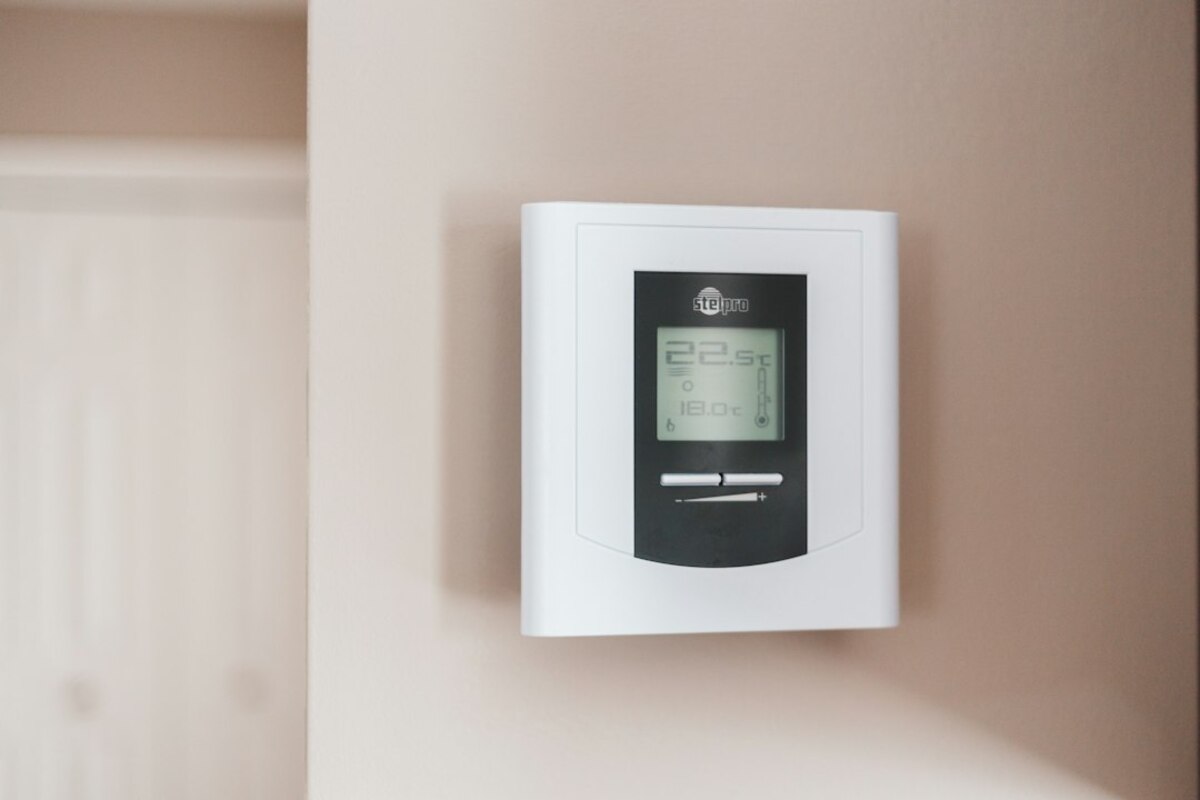
- Smart meters are often allowed, but they still must follow data protection rules and proper notice.
- Sensors in common areas may be easier to justify than devices inside your flat—purpose and proportionality matter.
- You don’t have to panic: ask the right questions, request documentation, and object in writing if needed.
Why this suddenly matters: from “digital convenience” to everyday conflict
Not long ago, the “tech” in a rental building was a doorbell and maybe an intercom. Now, many tenants are hearing new phrases from building management: smart meter rollout, remote reading, CO₂ sensors, leak detectors, or occupancy sensors in hallways. Sometimes it’s framed as a climate measure (“we need better energy data”), sometimes as a cost saver (“no more manual meter reading visits”), and sometimes as security (“we’re reducing break-ins”).
For tenants, it can feel personal very quickly: “Are they monitoring me?” “Will my rent go up?” “Do I have to let someone into my home for installation?” “Can I refuse?” These questions are normal—because smart devices deal with something people care about deeply: privacy at home.
Let’s make it concrete with a short scenario:
Scenario: You come home to a notice in the stairwell: “Next Tuesday, technicians will install smart heat cost allocators on radiators and a smart electricity meter in each apartment. The building will also receive motion sensors in hallways to optimize lighting.” The note is friendly, but short. No details about what data is collected, who sees it, or what happens if you can’t make the appointment.
In situations like this, the key is to separate three things that often get mixed together:
- Where the device is installed (inside your flat vs. common areas)
- What purpose it serves (billing, safety, energy efficiency, convenience)
- What data it creates (simple consumption values vs. patterns that could reveal behavior)
Once you sort the topic that way, it becomes easier to judge what’s normal, what needs clarification, and what may be problematic.

What kinds of “smart” devices show up in rentals—and what they actually measure
“Smart meters” and “sensors” are umbrella terms. Some devices are relatively boring (in a good way), others are more sensitive. Here are the most common ones tenants encounter:
| Device | Typical location | What it measures | Why landlords want it | What tenants usually worry about |
|---|---|---|---|---|
| Smart electricity meter | Meter cabinet / utility area (sometimes inside flat) | Electricity consumption (sometimes in short intervals) | Remote readings, modern grid requirements | Usage patterns (when you’re home), data sharing |
| Heat cost allocators / smart radiator meters | On radiators | Heat consumption per radiator | Fairer billing, fewer visits | Frequent readings, cost allocation disputes |
| Water meters with remote reading | Bathroom/kitchen lines, meter shafts | Water volume; sometimes leak indicators | Detect leaks, billing, maintenance planning | “Are they tracking my shower?” |
| Leak detectors | Near pipes, basements, technical rooms | Moisture/leak event (yes/no, sometimes severity) | Prevent water damage | Hidden devices; unclear placement |
| Motion sensors for lights | Hallways, cellar, entrance | Movement event (often no identity) | Energy saving, convenience | Feeling watched; confusion with cameras |
| CO₂ / humidity sensors | Sometimes inside apartments; sometimes shared areas | Air quality indicators | Mold prevention, ventilation guidance | In-apartment monitoring, data misuse |
A helpful analogy is this: a device can be “smart” like a digital notebook (it just stores readings), or “smart” like a diary (it can hint at routines). A monthly electricity number is more like a notebook. High-frequency readings can become more “diary-like” because they may reveal when appliances run or when people are home.
In many buildings, the most common and widely accepted use case is straightforward: billing and meter reading. Landlords and utility companies often prefer remote readings because it reduces appointments, missed visits, and administrative costs. For tenants, that can also be a benefit—fewer strangers at the door and fewer scheduling hassles.
The more sensitive questions arise when devices are installed:
- inside the apartment (especially sensors not strictly needed for billing), or
- in ways that feel like behavior tracking (very granular time intervals, combined systems, unclear access).
What landlords usually can do—and where the red lines often are
This article is written for non-experts, so instead of quoting paragraphs and court decisions, we’ll focus on practical principles that commonly apply in tenancy situations (especially in Europe, including Germany) and that help you ask the right questions. The details depend on your country and contract, but these “red flag vs. normal” patterns show up again and again.
1) Modernization vs. “nice-to-have” gadgets
Landlords can often carry out measures considered building maintenance or modernization—especially when they relate to energy efficiency, billing accuracy, or legal/technical requirements. A remote-readable heat meter, for example, is often framed as a technical upgrade rather than lifestyle tech.
But there’s a difference between:
- Necessary measuring (to bill consumption properly), and
- Additional monitoring (that goes beyond what’s needed).
If a landlord wants to place sensors inside the flat that are not clearly necessary—for example, occupancy sensors to “optimize heating” without your request—that’s where tenants should ask more questions and expect stronger justification.
2) Location matters: common areas vs. your living space
Devices in common areas (entrance, hallway, basement) are often easier for landlords to justify because those spaces are managed collectively. Motion sensors that switch lights on are a standard example; they usually don’t identify individuals and are installed for convenience and energy saving.
Devices inside your apartment feel different—and legally, they often are. Your apartment is your private living area. Even if the landlord owns the building, the rental agreement gives you strong rights to privacy and undisturbed use.
3) Data protection isn’t optional—“we only collect technical data” still needs rules
Even when devices are legitimate, the collected data must be handled responsibly. Tenants can reasonably expect clear answers to questions such as:
- What data is recorded (monthly totals vs. 15-minute intervals)?
- Who can access it (landlord, property manager, metering company, utility)?
- How long is it stored?
- Is it transmitted securely?
- Is it used only for billing/maintenance, or also for “analytics”?
If nobody can answer these questions—or if you get vague responses like “Don’t worry, it’s GDPR-compliant”—that’s not a satisfying explanation. “Compliant” should come with concrete information.
4) Notice and access: you usually must allow reasonable appointments, but you can negotiate
For meter replacement or inspection, landlords typically have a right to access—provided they give proper notice and the timing is reasonable. In real life, conflicts happen less because of the device and more because of logistics:
- The proposed window is “Tuesday 8–12” but you have work.
- The notice is too short.
- The technician wants to enter without you present.
In many cases, the practical solution is simple: propose alternative dates, ask for a narrower time slot, or request an after-hours appointment (sometimes with extra cost clarity). Keeping communication in writing helps.
5) Costs: ask early what changes financially (if anything)
Tenants often fear: “They install something new, and my rent goes up.” Sometimes modernization can affect costs, but not every technical change automatically justifies a rent increase. Additionally, metering services can influence operating costs (Nebenkosten/service charges).
A useful habit: treat cost questions like you would treat a restaurant bill—don’t argue after dessert. Ask up front:
- Who pays for purchase and installation?
- Will there be new monthly service fees for remote reading?
- Will those fees appear in the annual operating cost statement?
- Can you see the contract with the metering provider or at least the cost breakdown?
6) Cameras are a separate category
Sometimes people confuse “sensor” with “camera.” A motion sensor for hallway lighting is not a camera. But if actual video surveillance is involved (even “smart doorbells” pointing into shared spaces), that’s typically a much more sensitive issue with stricter requirements. If the notice mentions video, recording, intercom with camera, or facial recognition, treat it as its own topic and ask for a much higher level of justification and transparency.
- Exactly what device is being installed (model/type) and where?
- What data is collected and at what time interval?
- Who receives the data (landlord, metering company, utility) and for what purpose?
- Will there be new costs in rent or operating charges?
- How long will installation take and what access is required?
No. Remote reading can simply replace a yearly in-person visit. The privacy impact depends on how granular the data is, whether it’s linked to a person, who can access it, and whether it’s used only for billing or also for profiling.
No. Remote reading can simply replace a yearly in-person visit. The privacy impact depends on how granular the data is, whether it’s linked to a person, who can access it, and whether it’s used only for billing or also for profiling.
Ask for details in writing and propose alternative appointment times if needed. If the measure affects your apartment (not just common areas), it’s reasonable to expect proper notice, clear information, and a plan that respects your schedule.
Ask for details in writing and propose alternative appointment times if needed. If the measure affects your apartment (not just common areas), it’s reasonable to expect proper notice, clear information, and a plan that respects your schedule.
A calm tenant’s game plan: how to respond without turning it into a fight
When a landlord announces smart devices, many people jump to one of two extremes: immediate refusal (“Over my dead body”) or passive acceptance (“I guess I can’t do anything”). In reality, you usually have more room to maneuver—especially if you stay factual.
Step 1: Identify the category
Is it a meter for billing (electricity/heat/water)? Or a sensor for building operation (hallway lighting, leak detection)? Or a sensor inside your flat (air quality, occupancy)? The more it moves toward in-apartment behavior inference, the more carefully you should check the justification and data use.
Step 2: Ask for a “device & data sheet” in plain language
You don’t need to sound like a lawyer. A simple email is enough:
- Device name/model and installation location
- Data fields collected (e.g., kWh totals; interval length)
- Who processes the data and why
- Retention period
- Contact for data/privacy questions
Good landlords or professional property managers often already have a standard information sheet from the metering company.
Step 3: Check whether the plan creates unnecessary intimacy
Here are examples of “low drama, but worth clarifying” points:
- Very frequent readings (e.g., every few minutes) without a clear need
- Devices in private rooms (living room/bedroom) rather than technical areas
- Multi-purpose sensors that track motion, sound, and temperature together
- Unclear access: “the provider and partners” instead of named parties
None of these automatically mean the installation is unlawful—but they are legitimate reasons to request a more privacy-friendly setup or stronger safeguards.
Step 4: Handle access requests professionally
If technicians need entry, propose two or three alternative time slots if the suggested one doesn’t work. If you feel uncomfortable with workers entering while you’re away, say so. Many tenants choose to be present, or ask a trusted neighbor to be there.
Step 5: Document what happens
After installation, keep:
- the notice,
- any information sheets,
- photos of the installed device (especially if it’s inside your flat),
- the name/company of the installer and the date.
This is not about paranoia. It’s like keeping the receipt when you buy an expensive appliance—you hope you never need it, but it makes everything easier if questions arise.
Step 6: If you want to object, do it narrowly and in writing
If you believe a specific part is excessive (for example, an additional sensor inside your living space), try to avoid broad statements like “I refuse all modernization.” A narrower approach is usually more effective:
- State what you object to (which device, which location, which data practice).
- Ask for an alternative (e.g., monthly readings instead of high-frequency, or installation in a technical cabinet rather than a living room).
- Request a written response by a reasonable deadline.
Mini-scenario: a “good” conversation outcome
You ask what the hallway sensors do. The property manager explains: “They only switch the lights and do not record images or store movement logs.” You ask about the smart heat meters. They provide a sheet showing readings are collected for billing, stored for a set period, and processed by a named metering company. You negotiate an evening appointment. Nobody had to threaten anyone, and you end up informed and comfortable.
Mini-scenario: a “needs escalation” outcome
The notice mentions “environmental sensors in all apartments,” but no one can say where they’ll be installed or what data they’ll transmit. You ask for details and receive no answer—only pressure to “let the technician in.” That’s the moment to slow things down, insist on written information, and consider getting tenant association or legal advice before allowing installation inside your private rooms.
Smart devices in rental buildings aren’t going away. The realistic goal isn’t to reject every technical upgrade, but to ensure that “smart” doesn’t become a blank check. With a few targeted questions—and a habit of keeping things in writing—tenants can protect their privacy while still benefiting from easier billing, fewer appointments, and safer buildings.